On 1 January 2021, the independent Fact-Finding Commission to be established will be composed of 9 members, who will be appointed by the National Assembly.
Three of the Commission’s members will be proposed to the National Assembly by the government, the Supreme Judicial Council and the Human Rights Defender. The remaining 6 members will be nominated by the National Assembly factions, with each faction putting forward 2 candidates.
One of the candidates nominated by a faction must be from the list of candidates proposed by civil society organisations whose statutory aims include the protection of human rights and activity in the Commission’s areas of competence. Of the candidates nominated by a faction, one must be male and the other female. The members of the Commission are appointed by the National Assembly for the duration of the Commission’s activity. The Commission elects its chair from among its members.
From the draft law on establishing a Fact-Finding Commission published by the Ministry of Justice, we also learn that this Commission will be an independent body and will be funded by a separate line in the budget.
The Commission will operate until the publication of its final report, for which a two-year period has been set. The Commission will carry out its work through sessions. The final report will contain a description of the violations and the Commission’s conclusions and recommendations, while the procedure for presenting summaries and publications of ongoing work through interim reports is also envisaged.
It is envisaged to collect, map and examine facts concerning the mass human rights violations that regularly took place in the Republic of Armenia from September 1991 to May 2018.
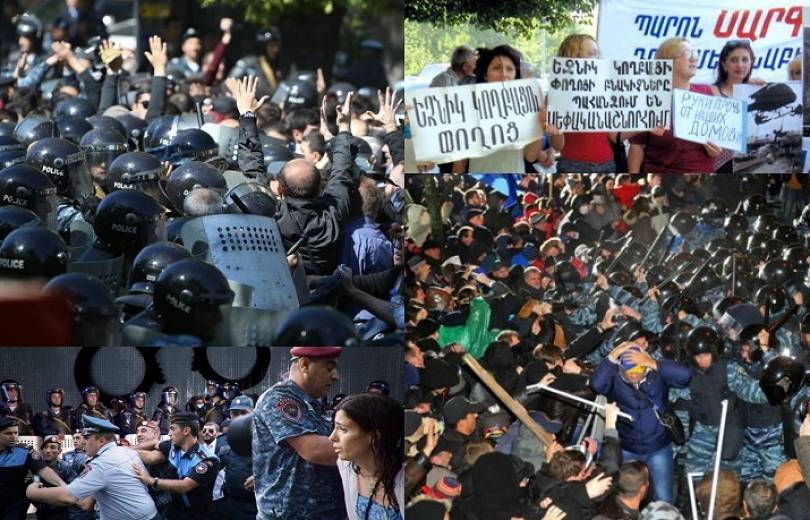
This concerns violations recorded during national and local self-government elections and referendums, political persecutions that occurred during post-election processes, alienations of property for the purpose of ensuring the public’s overriding interests, other manifestations of depriving persons of their property rights, and cases of death of servicemen in non-combat conditions.
At the same time, this Commission will not be a judicial body, will not establish criminal liability, and will not apply sanctions. If they obtain evidence useful for investigation, they will support the work of the courts.