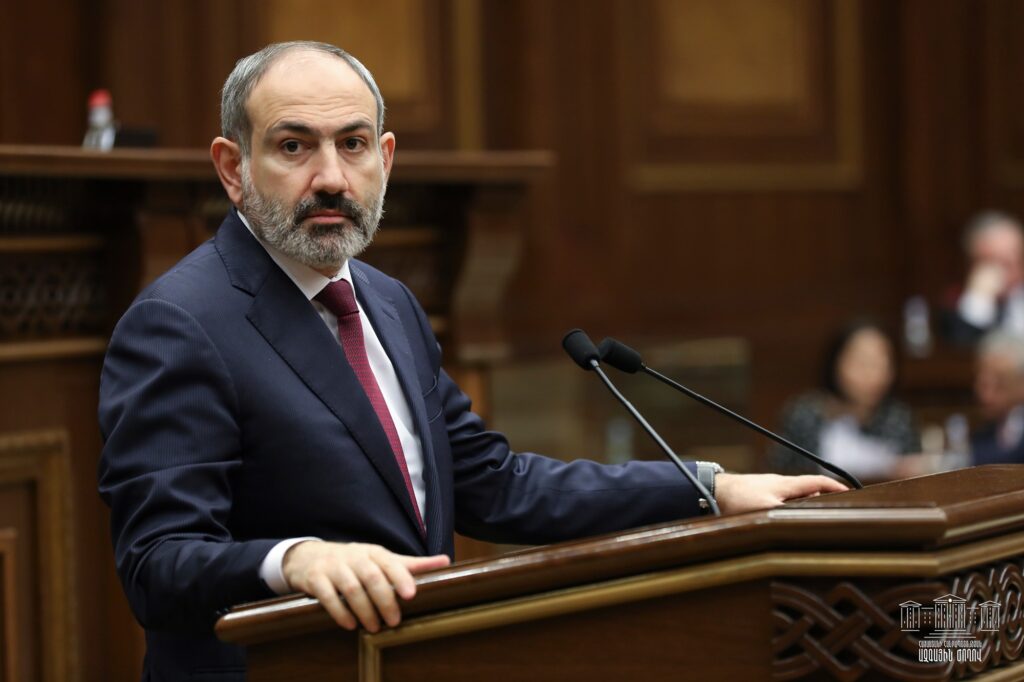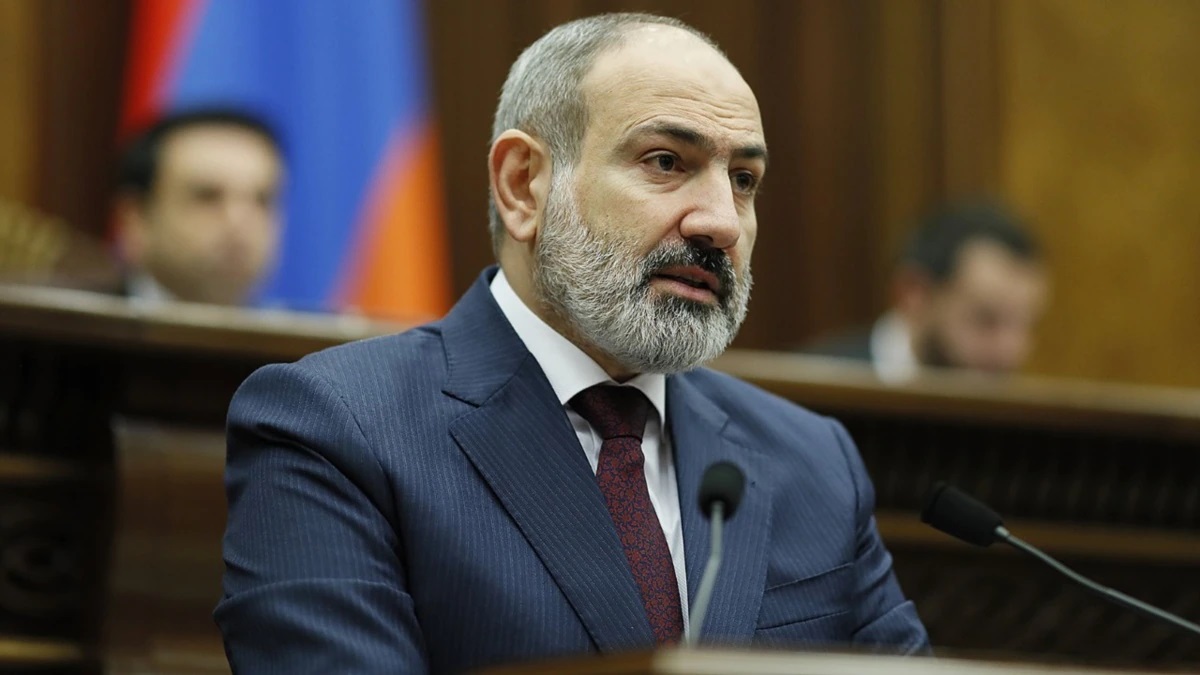
“Today the international community is telling us clearly that being the only country in the world that does not recognise the territorial integrity of Turkey’s ally Azerbaijan at a bilateral level is a great danger not only for Artsakh but also for Armenia,” Prime Minister Nikol Pashinyan said during his speech in the National Assembly.
He added: “Today the international community is again telling us: lower your bar a little on the question of the status of Nagorno-Karabakh, and you will secure a great international strengthening around Armenia and Artsakh. Otherwise, the international community says, please do not place your hopes on us, not because we do not want to help you, but because we cannot help you.”
According to him, today in the world there are either no countries, or very few, that are content and happy with their borders and consider them just. But somewhere, in some way, one must stop.
“This compels me to insist more consistently and with greater conviction that the peace agenda has no alternative for us. What I have said is in fact not easy to say; it is in fact not easy to take the decision to say all this. Saying all this is difficult for various reasons, starting from the fact that the Armenian’s innermost thought rises again in all its splendour and misfortune. But if God and the people have arrived at a decision unexpected and illogical for many, that after the 44-day war I must continue to lead the country and the people, then saying all this and assuming responsibility for all this is my mission, my yoke, my cross if you will, which I must bear,” he said.
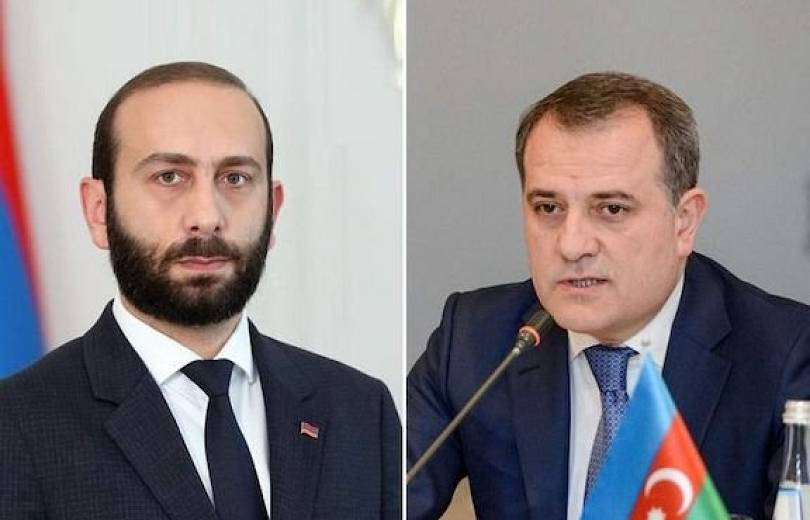
Nikol Pashinyan touched upon the details of the process of concluding a peace treaty with Azerbaijan. He reminded that on March 10, one of the co-chair countries of the Minsk Group conveyed to Armenia Azerbaijan’s views regarding the fundamental principles of the peace treaty.
“Those principles are the following: mutual recognition and respect of each other’s sovereignty, territorial integrity, inviolability of internationally recognised borders, political independence, the recording of the absence of territorial claims against each other and the recording of binding obligations regarding not raising such claims against each other in the future, mutual commitment not to create threats to each other’s security, territorial integrity or political independence in interstate relations, including not resorting to the threat or use of force, not undertaking actions inconsistent with the purposes of the UN, delimitation and demarcation of borders and the establishment of diplomatic relations, the unblocking of road and other communications, the creation of new communications and cooperation in other spheres of mutual interest,” he said.