The Lemkin Institute for Genocide Prevention has summarized 2022 and in its year-end report presented the events of the year that were in one way or another connected with genocide. The report also includes Armenia and Artsakh.
The Lemkin Institute noted that in 2022 the territorial integrity of the Republic of Armenia was placed under threat by neighboring Azerbaijan and its ally Turkey. The report presents the constant ceasefire violations by Azerbaijan after the 44-day war, as well as Azerbaijan’s September attack against Armenia and the atrocities committed against Armenian prisoners of war.
“Despite the fact that the outside world responded quickly, demanding an end to Azerbaijan’s September attack, 140 square kilometers of Armenia’s sovereign territory, as well as important parts of Artsakh, including the city of Shushi, are still seized by Azerbaijan,” the report states.
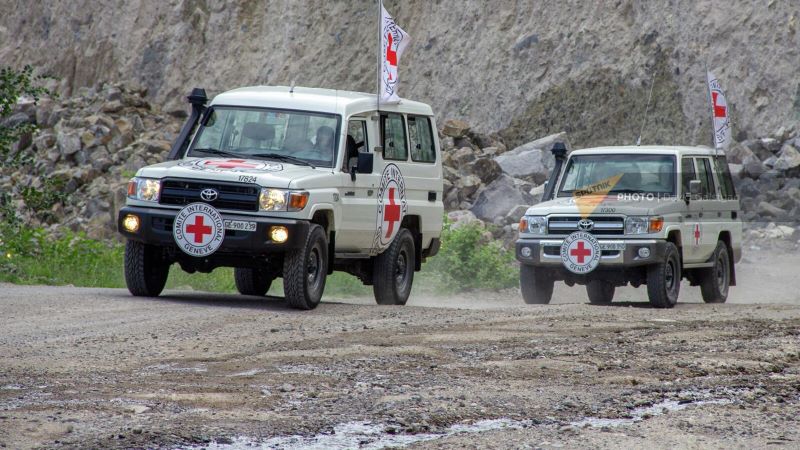
The Institute also stated that since December 12, Azerbaijan has closed the only road connecting Artsakh to the outside world, creating a humanitarian crisis that could quickly turn into a disaster.
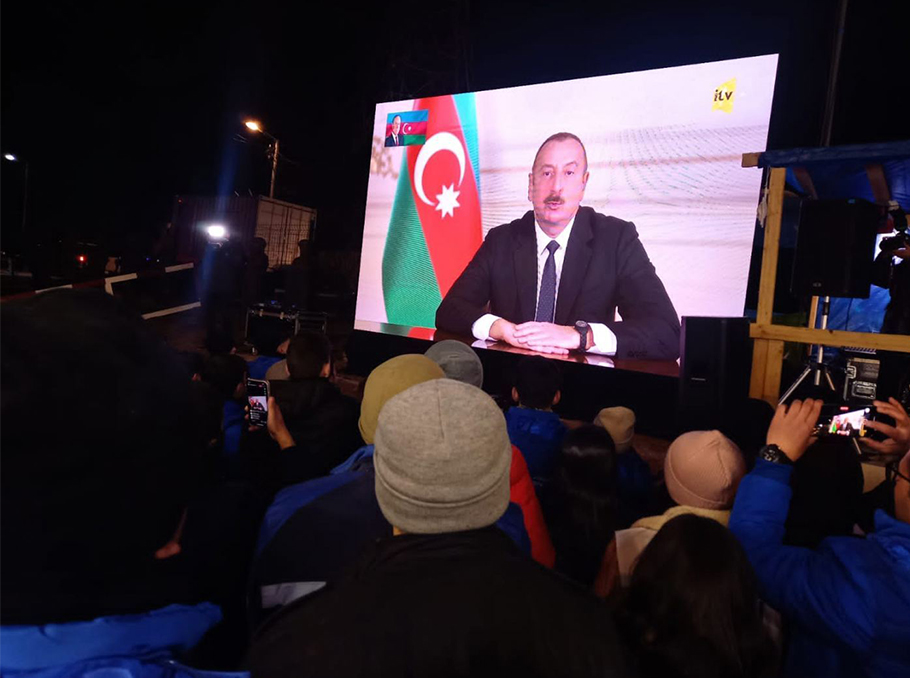
“The regime of Azerbaijani President Ilham Aliyev openly pursues a brutal anti-Armenian policy in the country, celebrating war crimes while at the same time presenting itself to the outside world as a bastion of tolerance,” wrote the experts of the Lemkin Institute, adding that Turkey and Azerbaijan, wanting to obtain the “Zangezur corridor” from Armenia, threaten Armenia with war, seizure and genocide.
The Institute draws attention to the fact that powerful countries, as well as the European Union, NATO and other structures, continue to openly support the regimes of Turkey and Azerbaijan.
“Azerbaijan has been recognized by Freedom House as one of the least free countries in the world. In recent years, persecution of journalists, human rights defenders, national minorities and civil society has increased there, using domestic as well as transnational repression to eliminate dissent,” the experts concluded.