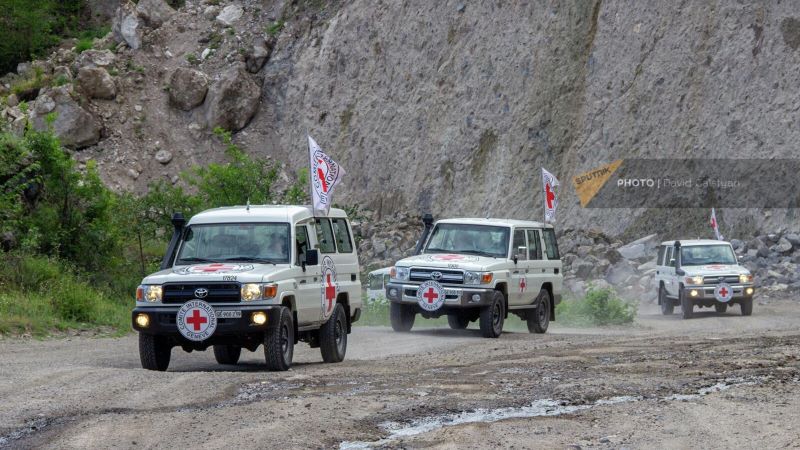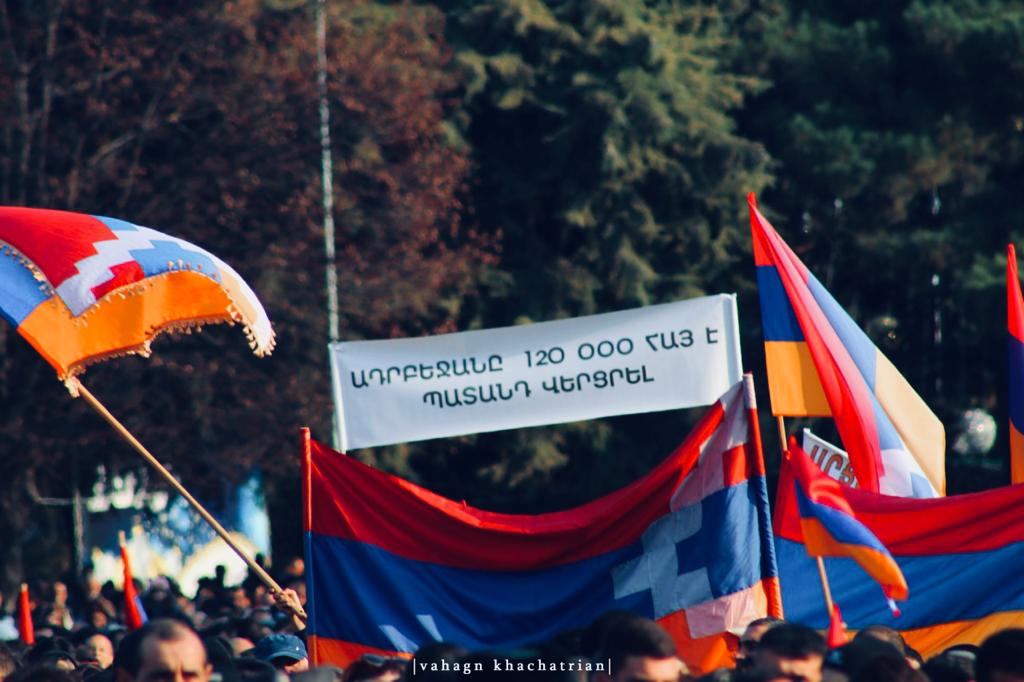
On 27 December 2022, an extraordinary session of the Board of Trustees of the “Hayastan” All-Armenian Fund was held to discuss the blockade of the Lachin Corridor by Azerbaijan and the provision of humanitarian aid to Artsakh by the Fund as a result. The meeting was chaired by the President of the Republic, Vahagn Khachaturyan, Chairman of the Board of Trustees of the “Hayastan” All-Armenian Fund.
The Fund’s press service announced this in a statement, which noted in particular:
“Twenty members of the Board of Trustees participated in the session via video link, as well as representatives of the Fund’s local bodies.
During the session, the President of the Republic of Artsakh, Arayik Harutyunyan, and the State Minister, Ruben Vardanyan, presented the humanitarian crisis created in Artsakh and the urgent needs of the Armenians of Artsakh, as well as the directions for addressing them.
The participants of the session discussed the situation created, and the need for pan-Armenian solidarity to provide humanitarian aid to Artsakh was emphasised. The possible ways and means of providing urgent humanitarian assistance to Artsakh, the measures to be undertaken, including the organisation of fundraising campaigns in various formats, the possibilities of redirecting the Fund’s ongoing programmes implemented in Artsakh, as well as the need for the Fund to appeal to various international structures were presented. All structures that are members of the Fund’s Board of Trustees were urged to carry out active work to direct the potential of their communities towards efforts to overcome the humanitarian crisis in Artsakh, as well as to ensure the stable and self-sufficient development of Artsakh in the long term.
The US local body expressed its readiness to immediately provide US $500,000 to provide humanitarian aid to Artsakh in the form of goods in kind.
During 2021-2022, the Fund has already implemented various humanitarian programmes in Artsakh worth more than 32 billion drams, which are aimed at post-war rehabilitation work. Hundreds of apartments and private houses have been built and commissioned, more than 52 km of various strategic roads and drinking water networks in several communities, as well as dozens of programmes for the development of healthcare, education, culture and other important sectors have been financed.”