The international human rights organization Human Rights Watch has published a report presenting the picture of the humanitarian crisis created in Nagorno-Karabakh as a result of Azerbaijan’s blockade of the Lachin Corridor.
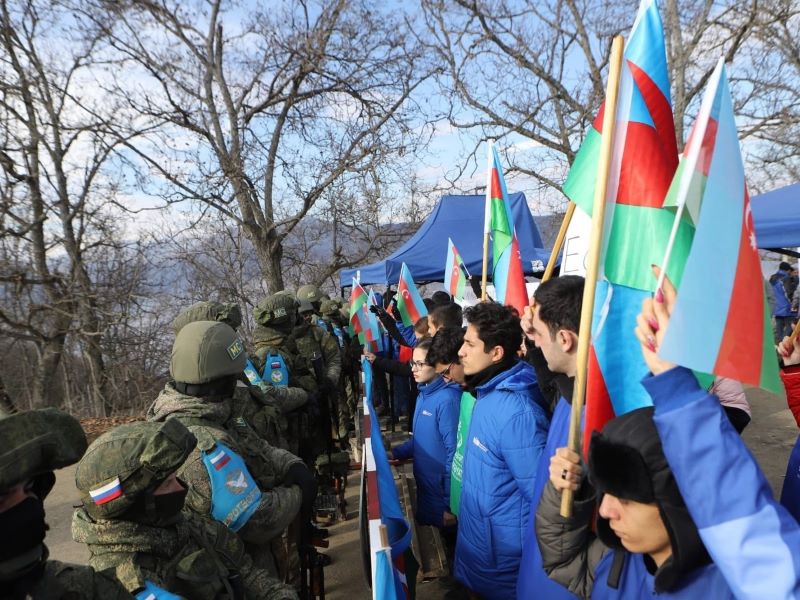
According to Armenpress, the publication recalls that since 12 December 2022, Azerbaijan has blocked the Lachin Corridor, the only road connecting Nagorno-Karabakh to Armenia and the outside world, as a result of which the Armenian population of Nagorno-Karabakh has found itself in a difficult situation.
Arminé, a 40-year-old living in Nagorno-Karabakh with her family, told Human Rights Watch that her husband lost his job as a taxi driver due to the lack of fuel, and that she is now the family’s sole breadwinner. Her children, aged 12 and 14, have only recently returned to school, when heating with wood stoves began. However, some schools remain closed due to the lack of heating. Food is increasingly scarce and unaffordable, as prices have risen sharply. Arminé said that even in cold weather conditions, she waited two hours to buy eggs.
Arminé plans her day according to the electricity outages. During the few hours when electricity is available, she must manage to cook meals and do household chores, warm the children’s room and help them with their homework.
Human Rights Watch stressed that Arminé’s story is not an exception. The blockade of the Lachin Corridor has disrupted access to essential goods and services for thousands of Armenians living in Nagorno-Karabakh. Many have remained in Armenia and cannot return to their homes.
It was noted that the Azerbaijani authorities deny responsibility for the closure of the road, yet support the protest demonstrations.
The disruption of the Lachin Corridor creates a humanitarian crisis, as many needs remain unmet. Human Rights Watch’s publication presents the grave situation with a clear example: Arminé’s father is ill with cancer and must regularly travel from the village to Stepanakert, but due to the lack of fuel and transportation, he has missed his recent medical visits.
“The Azerbaijani authorities and the Russian peacekeeping forces must ensure that the protests do not deprive Arminé and the other residents of Nagorno-Karabakh of their rights, including access to health care, essential services and goods, as well as the right to freedom of movement,” the publication stressed.