To the Presidency of the Grand National Assembly of Turkey
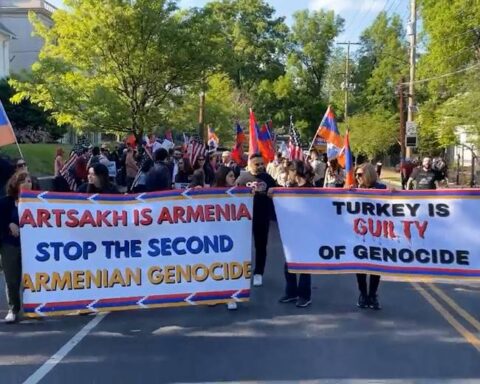
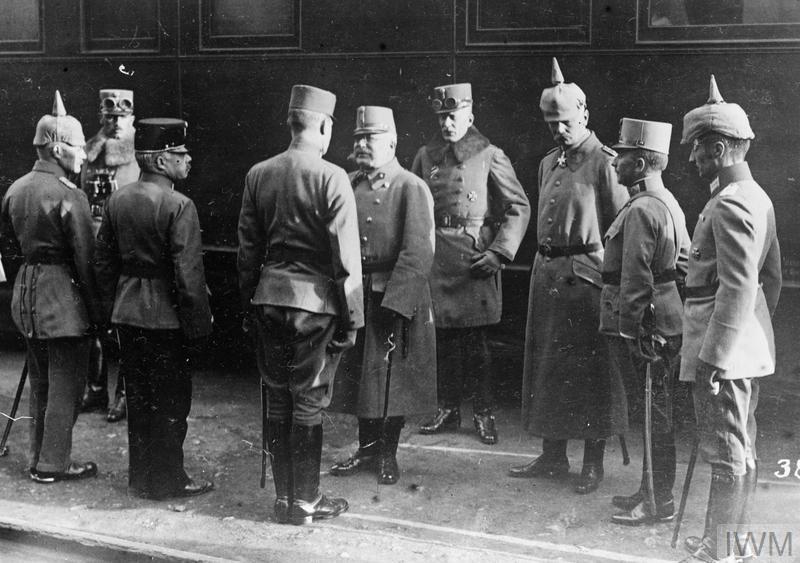
On 24 April 1915, 250 Armenian political figures, intellectuals and journalists were arrested, exiled to Çankırı and Ayaş, and killed. This date has come to be observed as the beginning of the Armenian Genocide, as a result of which the majority of the Armenian population of Ottoman territory was destroyed.
This great catastrophe inflicted upon the Armenian people has been discussed in the parliaments of numerous countries and has been characterised as genocide, whereas the genocide inflicted upon the Armenian people, one of the ancient peoples of Anatolia, has to this day not been discussed within the Turkish parliament. Justice for the great catastrophe can be secured only in the Turkish parliament.
With the aim of identifying those responsible for the Armenian Genocide perpetrated in accordance with the decision of the authorities of the time, and of restoring delayed justice, I propose a parliamentary inquiry in accordance with Article 98 of the Constitution and Articles 104 and 105 of the Internal Rules of Procedure.
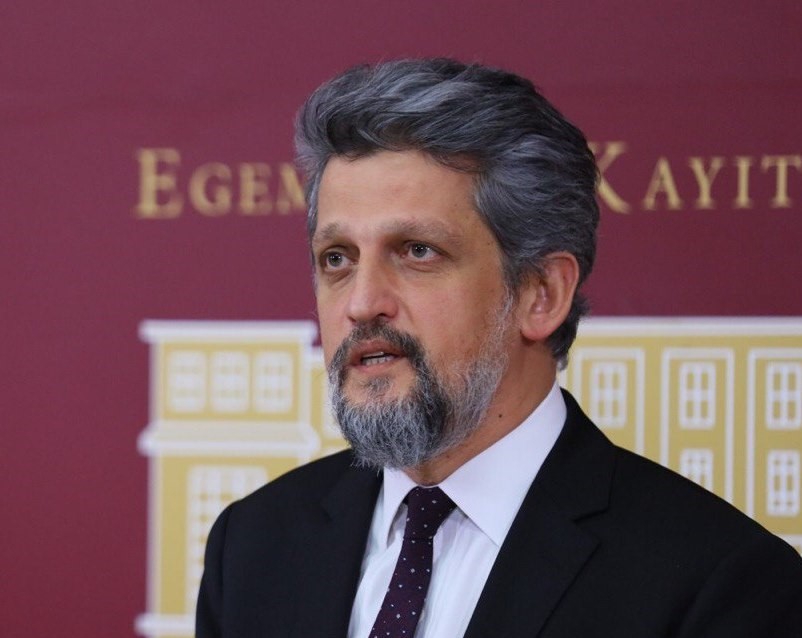
Garo Paylan
Deputy for Diyarbakır
JUSTIFICATION
On 24 April 1915, a process began with the decision of the Committee of Union and Progress government and the arrest and exile of Armenian political figures, intellectuals and writers, and ended with the deportation of the Armenian people from their ancestral lands and the massacres carried out on the roads of exile.
According to the personal archives of Talat Pasha, Minister of the Interior of the period, we know that between 1914 and 1917, 77 per cent of Armenians living within Ottoman borders were destroyed. The deportation that began in 1915 and the policy subsequently implemented, beyond military and similar purposes, clearly reveals that it was part of an effort to erase even the trace of the Armenian people from Ottoman territory.
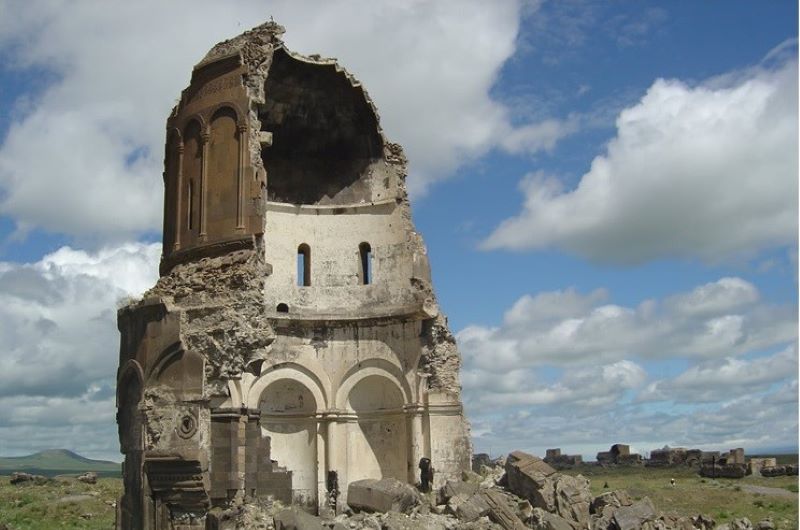
The Deportation Law, while pursuing the aim of destroying the Armenian people, also caused great loss to the Assyrian, Chaldean, Yazidi, Greek and other Christian peoples residing within the country’s borders. As a result of the policy implemented, monasteries, churches, schools and numerous similar cultural structures, as well as properties belonging to individuals, were plundered or confiscated by state decision.
The planned policy of destruction implemented in 1915 and thereafter has been discussed in the parliaments of numerous countries and has been found to be consistent with the articles of the UN defining the “Crime of Genocide.”
Notwithstanding the 105 years that have passed since the catastrophe inflicted upon the Armenian people, the matter has not been examined by the Grand National Assembly of Turkey, justice has not been established, and no assessment of what was done has been made.
The Armenian community of Turkey, spread across the world, has been awaiting justice for some time, which can be established only upon the common conscience of the peoples of Turkey and within the Turkish parliament. It is precisely for this reason that the great catastrophe that befell the Armenians must be discussed within the Turkish parliament.
The discussion in the Turkish parliament of the Armenian Genocide, which has not been confronted for 105 years and has been subjected to neglect, is of the utmost importance for the securing of public peace and the bringing to light of the truth.
The authorities of the period destroyed the Armenian people by a political decision. Justice for this great crime, too, can be established only by a political decision of the parliament.
Within this framework, we propose that the appropriate steps be taken to initiate a parliamentary inquiry, with the aim of studying the catastrophe inflicted upon the Armenian people in 1915, identifying those responsible and the perpetrators, confronting the past, and securing delayed justice.