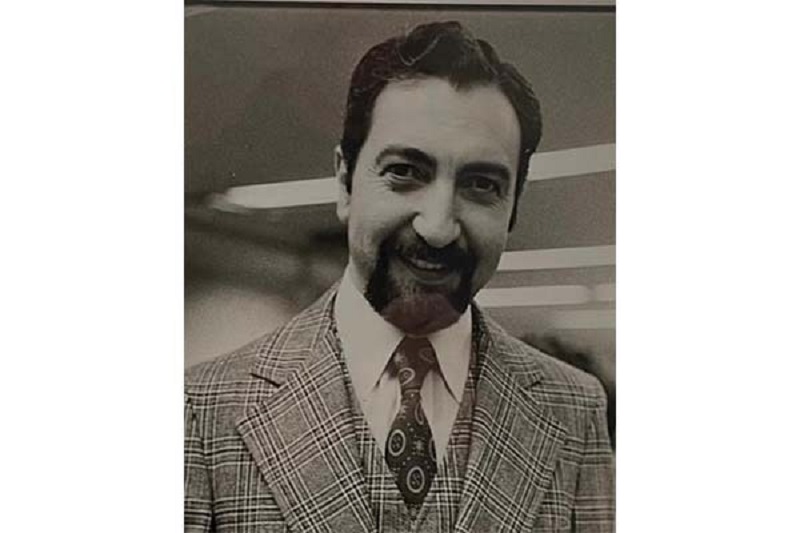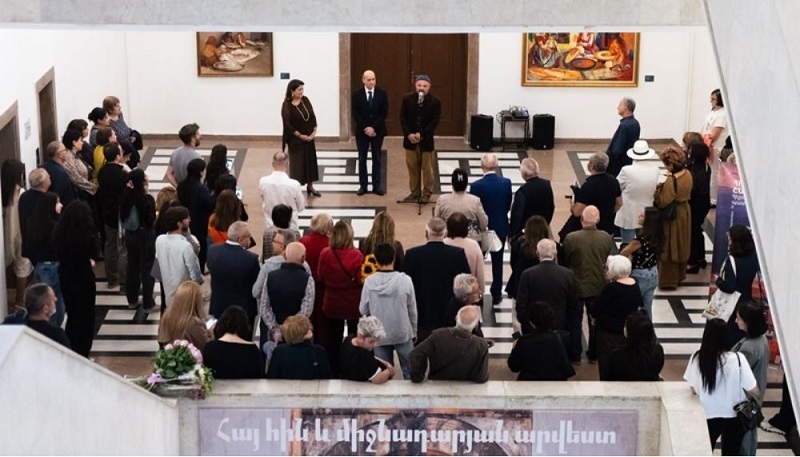
On 17 October, the first solo exhibition in Armenia dedicated to the work of renowned Palestinian-Armenian photographer Hrant Nakkashian (1921–1991) opened at the National Gallery of Armenia (curator: Vigen Galstian).
On display are thirty original press prints provided by the photographer’s children, Saro and Anoush Nakkashian, supplemented by seven new prints prepared by Canadian-Armenian photographer Oshin Haroutiunian.
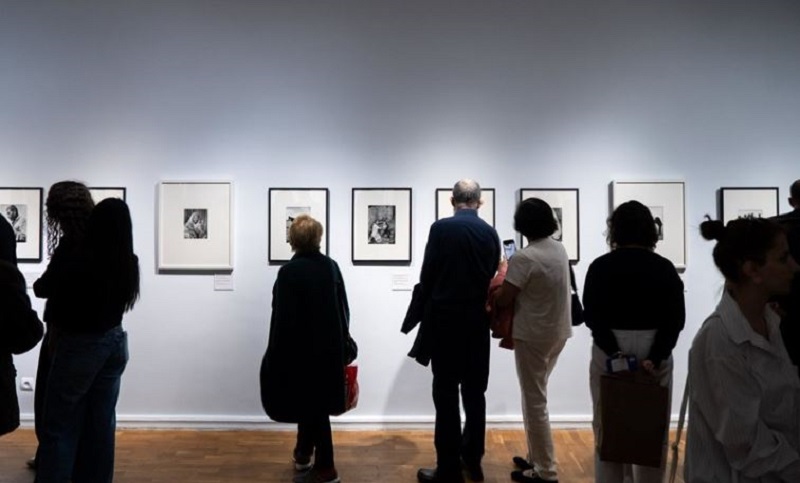
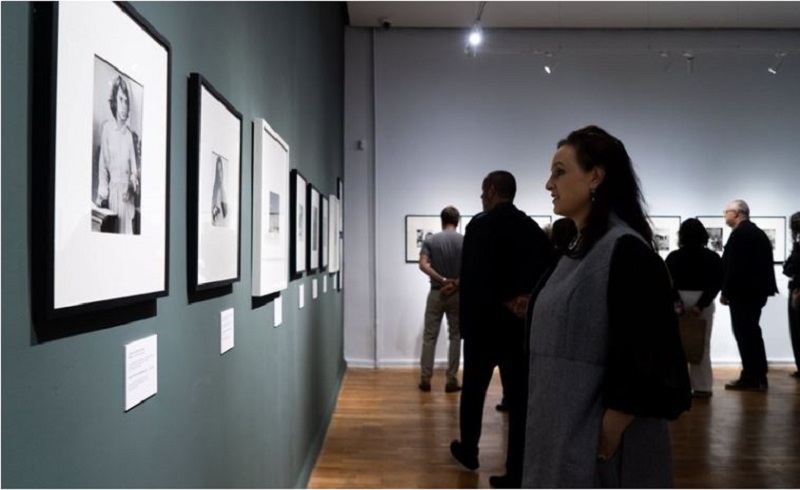
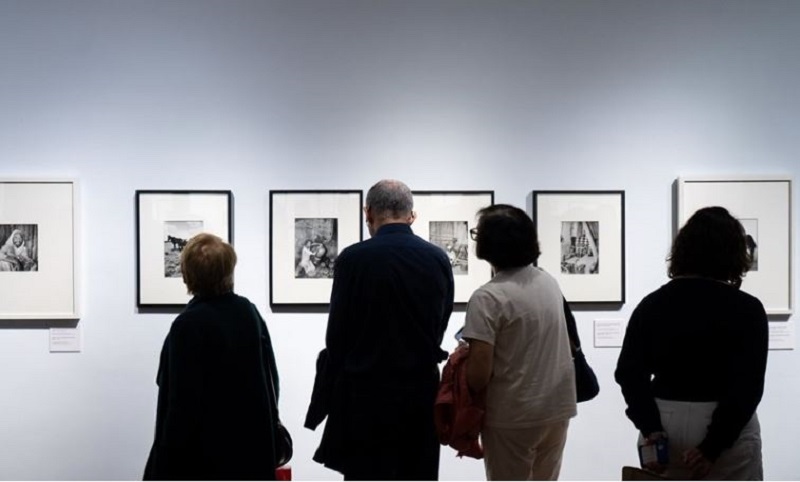
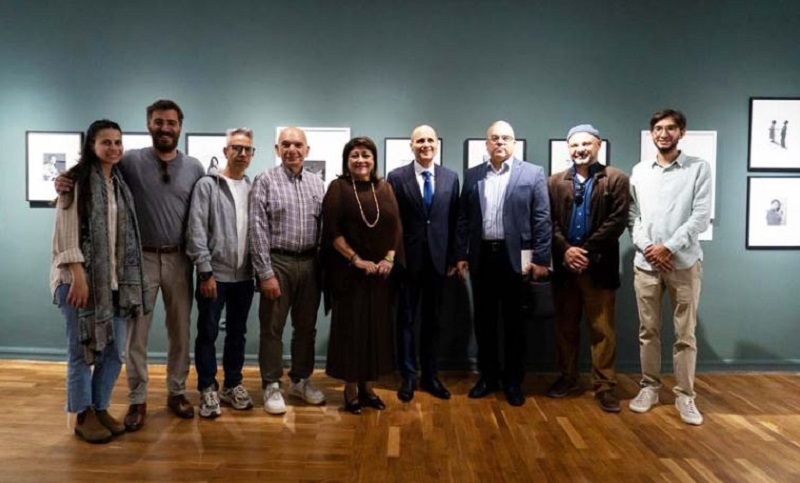
These exceptional frames documenting Palestinian life in Gaza in the 1950s–1960s take on new resonance especially today, when Gaza’s historical and cultural heritage is undergoing unprecedented destruction.
Nakkashian’s works reveal, through a humanitarian gaze, the resilience of displaced people and their determination to preserve identity and dignity.
Biographical Notes
1921
Born in Gemerek in the Sebastia province of Turkey. Having escaped the Armenian Genocide, his family finds refuge in Beirut.
1932 (?)-1937
Attends the Melkonian Educational Institution in Cyprus, where among his teachers were renowned Armenian writers and intellectuals Hagop Oshagan, Vahan Tekeyan and Vahe Vahian. Completes his studies in 1937. Through the mediation of his teacher Vahan Tekeyan, he joins the Armenian Democratic Liberal Party, and the prince of poets becomes his party godfather.
1937-1942
Teaches at the Armenian General Benevolent Union (AGBU) in Lebanon and at other Armenian schools.
1942
Receives an invitation to teach at the Armenian school in the city of Jaffa, Palestine. After a brief apprenticeship with his photographer brother, Sukias Nakkashian, he founds his own photo studio, “Venus”. Among the personalities he photographed were renowned figures of Armenian culture Vahan Tekeyan, Hagop Oshagan, Shahan Berberian and others.
1948
As a result of his forced displacement from Jaffa, he loses his entire photographic archive. At the invitation of his wife’s brother, photographer Kegham Jegalian, he moves to Gaza, where in the early 1950s he founds the “Studio Hrant” photo studio.
Early 1950s
Cooperates with international organizations, including the United Nations Relief and Works Agency for Palestine Refugees (UNRWA) and the United Nations Emergency Force (UNEF), photographing high-ranking officials visiting Gaza and documenting daily life in Palestinian refugee camps.
Mid-1950s
Begins to show a deep interest in archaeology and studies the archaeological heritage of the Gaza region. A selection of his photographs taken in Gaza is exhibited at United Nations headquarters in New York.
1960
Marries longtime Armenian-language teacher Arpine Sarkissian. They have two children, Saro and Anoush.
1963
Organizes his first solo exhibitions in Gaza, Cairo and Kuwait, presenting photographs depicting the life of Palestinian refugees, as well as views of the monuments and archaeological sites of Ancient Egypt.
1967
After the Six-Day War he moves to Jerusalem, leaving a considerable part of his photographic archive in Gaza. He receives an invitation to teach at the Jarangavorats School of the Armenian Patriarchate of Jerusalem, where he teaches Armenian literature and history. He ends his photographic activity, focusing his attention on pedagogy, literary creation and historical research.
1970s-1980s
Publishes literary and historical works, including the novellas “Drastamat Goes to Anyush Fortress” and “The Exiles”, a study devoted to the Battle of Avarayr and a biography of King Levon of Cilicia, with the aim of presenting the multi-millennial history of the Armenian people.
1991
Dies in Jerusalem at the age of 70. He is buried in the historic Armenian St. Saviour Cemetery in Jerusalem.
1995
A posthumous retrospective exhibition of Nakkashian’s photographs opens in Jerusalem.